
The digital world’s growing. Fast. And with it, the threats multiply every single day. That’s where cybersecurity steps in not just as a career choice, but as a necessity for protecting everything we’ve built online.
If you’re standing at the edge wondering whether cyber security training for beginners is right for you, we’re here to tell you: it absolutely is. And you don’t need a computer science degree to start.
What is Cyber Security?
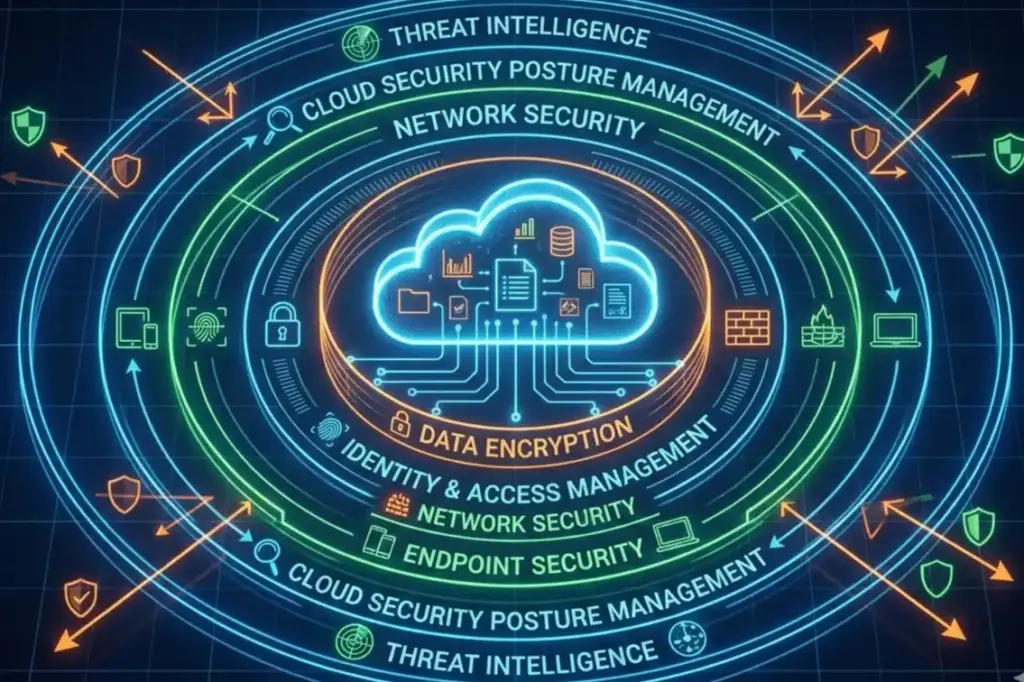
Think of cyber security as the digital version of locking your doors at night. Except here, you’re protecting networks, systems, applications, and sensitive data from people who want unauthorized access.
It’s not just about defense either. Sometimes, understanding how attackers think makes you better at protection. That’s the beauty of this field it’s constantly evolving, always challenging, never boring.
For someone taking a beginner cyber security course, the journey starts simple. You learn how computers communicate. How networks function. What makes a system vulnerable. Then gradually, you build up to understanding real-world threats and how to counter them.
Why Choose Cyber Security as a Beginner?
Let’s be honest. Not every career path welcomes beginners with open arms. But cyber security training for beginners online does. Here’s why we’ve seen thousands of freshers succeed:
The demand is insane. Companies aren’t just hiring they’re desperately seeking skilled professionals. Every industry needs protection. Healthcare, finance, e-commerce, government… you name it.
The pay is solid. Even entry-level roles offer competitive packages. As you grow, the numbers get better. Much better.
You don’t need coding experience initially. Sure, it helps later. But many roles in security operations, compliance, and analysis need analytical thinking more than programming skills.
It’s future-proof. As long as technology exists, cybersecurity will matter. This isn’t a trend that’ll fade in five years.
We’ve trained students from commerce backgrounds. Arts students. Even mechanical engineers switching careers. A structured cyber security course for freshers bridges those gaps.
Skills Required to Start Cyber Security from Scratch
Here’s what surprises most beginners: you don’t need to be a tech genius. Really.
Technical Foundation
The basic cyber security training covers everything you need:
- Computer fundamentals (how systems actually work)
- Networking basics TCP/IP, DNS, how data travels
- Operating systems, especially Linux and Windows
- Understanding common vulnerabilities
- Basic scripting (we’ll teach you from zero)
The Soft Skills Matter Too
What makes great cybersecurity professionals isn’t just technical knowledge:
- Curiosity drives you to understand why something broke
- Analytical thinking helps you spot patterns attackers leave behind
- Problem-solving becomes second nature
- Ethical responsibility keeps you on the right side
At Go Hackers Cloud, we’ve designed our cyber security training from scratch assuming you know nothing. Every concept builds on the previous one. No overwhelming jargon. No assumptions about your background.
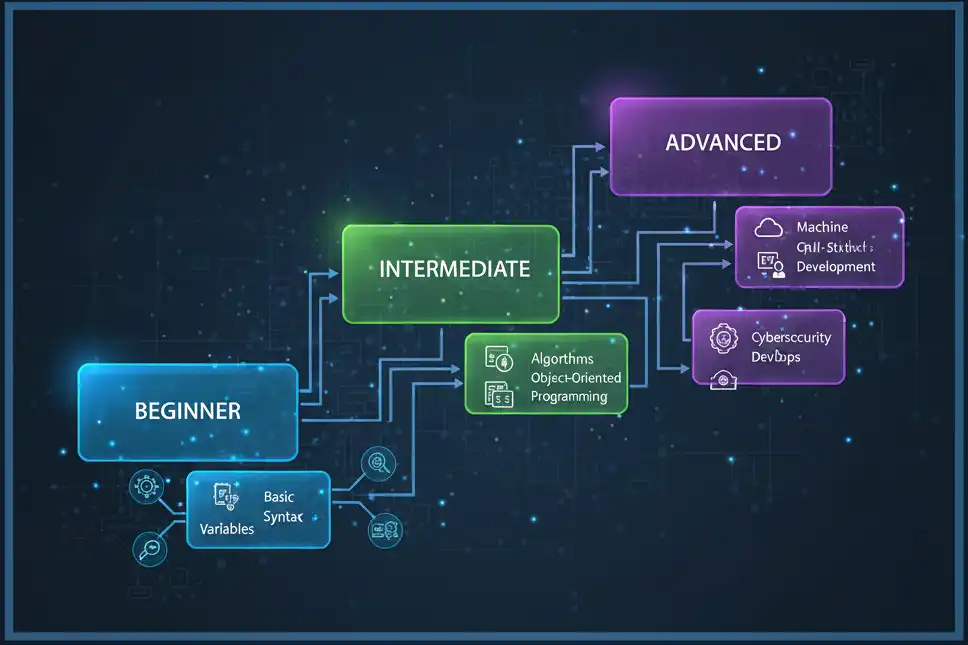
Beginner Cyber Security Course Roadmap
The biggest mistake beginners make? Jumping randomly between topics. That’s why we’ve structured our beginner cyber security course with placement support as a clear path.
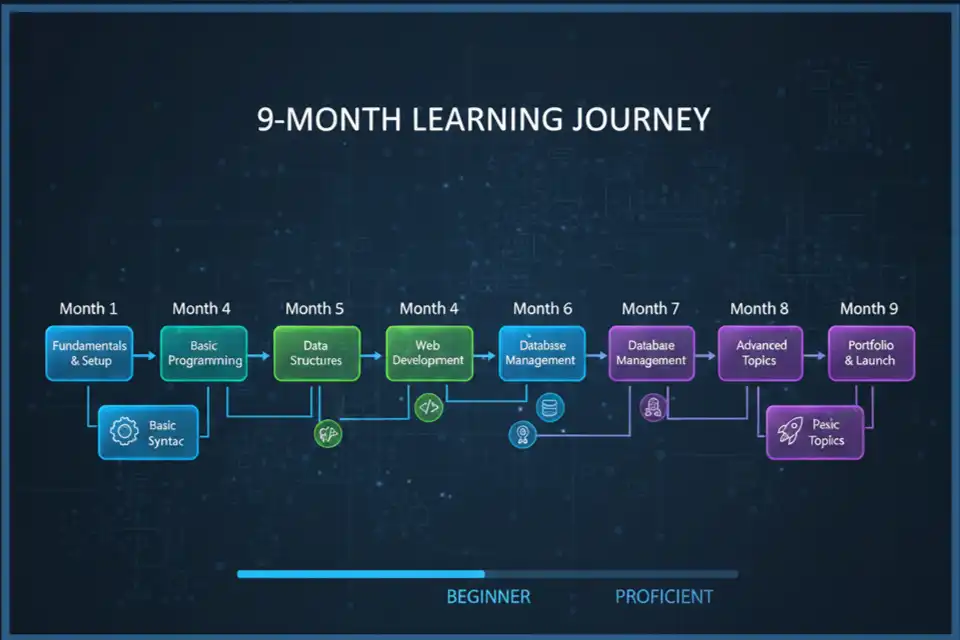
Month 1-2: Foundation Building
You start where everyone should the basics. Understanding how computers talk to each other. What happens when you visit a website. How operating systems manage security.
This phase introduces networking fundamentals, Linux basics, and the types of cyber threats out there. Nothing fancy yet. Just building your mental model of how everything connects. If you’re looking for more advanced paths later, our comprehensive Cyber Security Training Courses cover specialized domains too.
Month 3-4: Core Security Concepts
Now things get interesting. You dive into:
- Different types of malware and how they spread
- Web application security principles
- The CIA Triad (Confidentiality, Integrity, Availability)
- Authentication mechanisms and why they matter
- Common attack vectors and defense strategies
We’re still in learning mode. But you’ll start seeing real-world connections. News about data breaches will suddenly make sense.
Month 5-6: Hands-On Practice
Theory meets reality. Our labs simulate actual environments where you:
- Identify vulnerabilities in practice systems
- Understand penetration testing basics
- Work through security incidents
- Use industry-standard tools
- Make mistakes in safe environments (that’s how you learn)
This is where cyber security training for beginners transforms into practical skill. You’re not memorizing you’re doing. Many students at this stage also explore our Ethical Hacking Training to understand the offensive security perspective better.
Month 7-9: Career Preparation
The final stretch focuses on making you job-ready:
- Resume building that highlights your new skills
- Interview preparation with real questions
- Project work that goes in your portfolio
- Mock interviews and feedback
- Placement assistance and career guidance
Tools Introduced in Basic Cyber Security Training
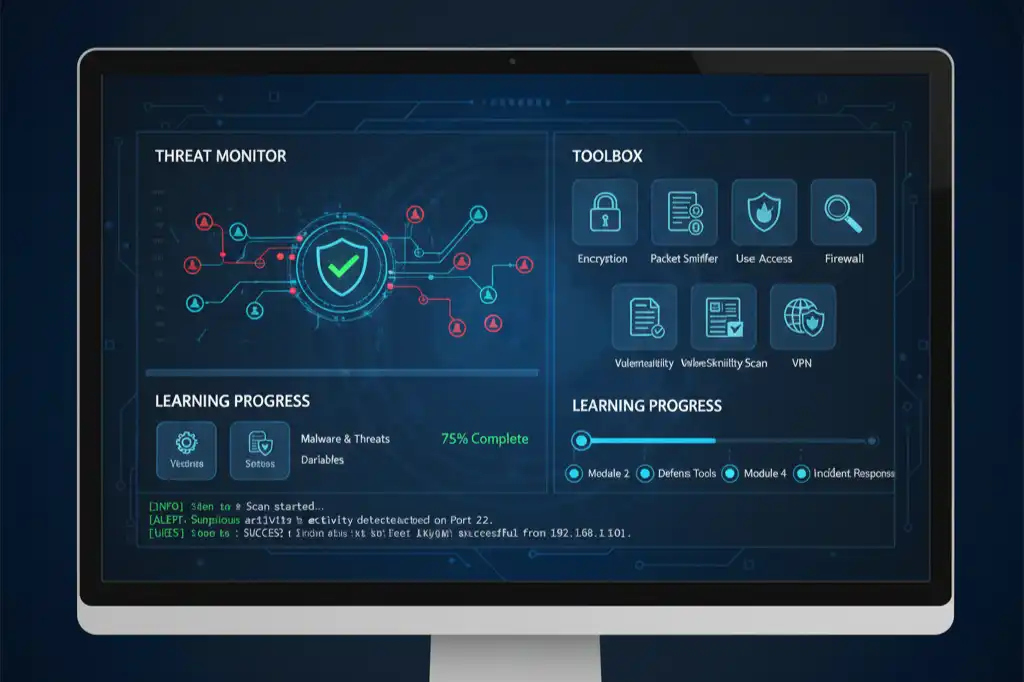
Tools can be intimidating. We get it. That’s why our basic cyber security training introduces them gradually, with context.
Starting Tools
Kali Linux becomes your playground. It’s an operating system built for security testing, and yes, we’ll teach you how to use it comfortably.
Nmap helps you understand network scanning. What devices are on a network? What ports are open? Basic stuff, but essential.
Wireshark lets you see network traffic. Imagine being able to watch data packets traveling that’s what this does.
Intermediate Tools
As you progress, you’ll work with:
Burp Suite for web application testing. Most vulnerabilities exist in web apps, so this tool becomes crucial.
Metasploit introduces you to exploitation concepts. Don’t worry in controlled lab environments with proper ethical guidelines.
Every tool comes with hands-on labs. You won’t just read about them. You’ll use them. Break things. Fix things. Learn by doing.
That’s what makes this a true beginner cyber security course with placement potential employers want practical skills, not just theory.
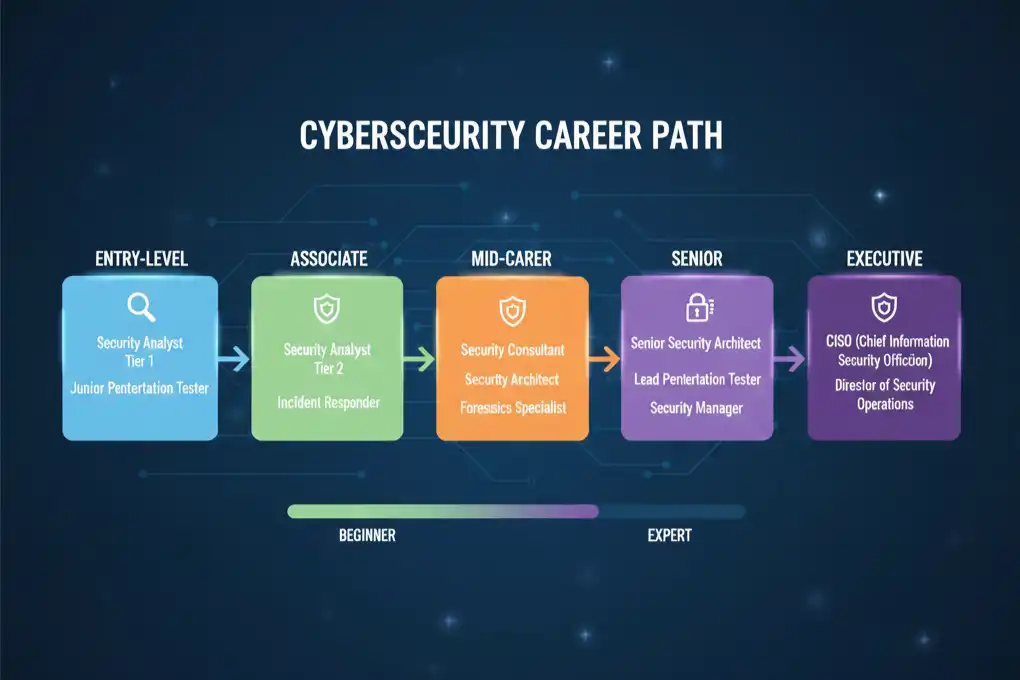
Career Options After Cyber Security Training
Completing cyber security training for beginners online opens multiple doors. Let’s talk real job roles.
Entry-Level Positions
Security Analyst roles are the most common starting point. You’ll monitor systems, identify threats, respond to incidents. It’s detective work, basically.
SOC Analyst (Level 1) positions put you in Security Operations Centers. You’re the first line of defense, watching for suspicious activities.
IT Security Support combines technical support with security awareness. You help users stay secure while handling day-to-day security tasks.
Junior Penetration Tester roles let you think like an attacker (ethically). You test systems for weaknesses before bad actors find them.
Growth Trajectory
Here’s what excites us about this field. Within 3-5 years, beginners we’ve trained have moved into:
- Ethical Hacker positions
- Cloud Security Engineers (especially valuable with cloud security training course knowledge)
- Security Architects designing entire security infrastructures
- Incident Response Specialists handling major security events
The career ladder exists. You just need the right foundation.
Why Choose Go Hackers Cloud for Beginners?
We’re not going to claim we’re perfect. But we’ve learned what beginners actually need by training thousands of students.
Our Approach
Experience-Based Teaching: Our trainers aren’t just theorists. They’ve worked in the field. They’ve handled real incidents. They know what matters and what’s just noise.
Beginner-First Methodology: Everything we teach assumes you’re starting from zero. No condescension. No skipping steps. Just clear, progressive learning.
Hands-On Focus: Lectures are fine. Labs are better. Our Go Hackers Cloud training includes extensive practical work because that’s how skills stick.
Long-Term Support: Your learning doesn’t stop when the course ends. We’ve built a community where past students help current ones. Where questions get answered. Where careers get built.
What Students Say
We’ve seen commerce graduates become security analysts. Arts students transition into SOC roles. Mechanical engineers pivot to cybersecurity.
The common thread? They all started with zero knowledge and a cyber security course for freshers that met them where they were.
Frequently Asked Questions
Can I really learn cybersecurity without any technical background?
Absolutely. Our cyber security training from scratch starts with the assumption you know nothing about tech. We’ve successfully trained students from non-technical backgrounds who are now working professionals. The key is structured learning and consistent practice.
How long before I’m job-ready after starting the beginner course?
Most students become job-ready within six to nine months with our comprehensive training. But remember everyone learns at their own pace. Some take longer, some move faster. What matters is consistent effort and completing the hands-on projects.
Is coding mandatory for cybersecurity beginners?
Not initially. Many entry-level roles focus on analysis, monitoring, and response rather than coding. However, basic scripting helps as you advance. We introduce it gradually in our basic cyber security training so it’s not overwhelming.
What’s the difference between online and offline training?
Online cyber security training for beginners online offers flexibility and often better access to lab environments. You can learn at your own pace, replay sessions, and practice whenever you want. Offline has the advantage of face-to-face interaction. We’ve designed our Online Cyber Security Training program to give you the best of both worlds flexibility with structured mentorship.
Do certifications matter for beginners?
Honestly? Skills matter more than certificates when you’re starting. Employers want to see what you can do. Our beginner cyber security course focuses on building demonstrable skills first. Certifications can come later as you specialize.
Will I get placement support?
Yes. Our beginner cyber security course with placement assistance includes resume reviews, interview preparation, and connections to hiring partners. But understand we help you become hireable. The effort still needs to come from you.
Start Your Cybersecurity Journey Today
Look, we get it. Starting something new feels overwhelming. Especially when you’re reading about firewalls and penetration testing and thinking “can I actually do this?”
The answer is yes. If you’re curious enough to read this far, you’ve got what it takes.
Cyber security training for beginners isn’t about becoming an expert overnight. It’s about taking that first step. Then the next one. Building skills gradually. Making mistakes in safe environments. Learning from people who’ve walked this path.
At Go Hackers Cloud, we’ve refined our approach over years of training freshers. We know where beginners struggle. We know what clicks. We’ve built our cyber security course for freshers around real student experiences.
The digital world needs more defenders. It needs people who care about protection, who want to learn, who are willing to put in the work.
Could that be you?
Ready to transform from complete beginner to job-ready cybersecurity professional?
We’re offering structured training, hands-on labs, real project experience, and career support everything you need to break into this field. Our next batch starts soon, and seats fill up fast.
Visit https://gohackerscloud.com/ to explore our beginner-friendly training programs. Talk to our career advisors. See if this path feels right for you.
Because here’s the truth: the best time to start was yesterday. The second best time? Right now.
Don’t let another month pass wondering “what if.” Take that first step. Your future self will thank you.